

 Article
  Digital download
  Guide
Guide  Podcast
  Video
Video National Diabetes Month: Metabolic and lifestyle coaching for prevention
National Diabetes Month is a powerful call to action, a moment to reflect on our collective health, understand silent threats, and empower ourselves with knowledge and tools for a healthier future.
For millions, the journey begins with understanding metabolic health, especially when facing prediabetes, insulin resistance, or metabolic disorders.
You might be one of the nearly 40% of Americans living with prediabetes, often unknowingly. This critical juncture underscores the importance of lifestyle choices and proactive measures in making a real difference.
This month, let’s move beyond awareness to actively prevent progression and improve our metabolism and healthspan.
Understanding prediabetes, insulin resistance, and metabolic syndrome
What do prediabetes, insulin resistance, and metabolic syndrome mean for your body?
Insulin, a hormone produced by your pancreas, acts like a key, unlocking cells to allow glucose (sugar) to enter and be used for energy. With insulin resistance, cells become less responsive, like a key no longer fitting the lock. Your pancreas works harder, producing more insulin, which can eventually lead to elevated blood sugar levels.
Prediabetes is when blood sugar levels are higher than normal but not yet type 2 diabetes (T2DM). It’s a clear warning sign that your body is struggling to manage glucose, and without intervention, it often progresses to T2DM.
Metabolic syndrome is a cluster of conditions, including increased blood pressure, high blood sugar, excess abdominal fat, and abnormal cholesterol or triglyceride levels, that together increase your risk of heart disease, stroke, and type 2 diabetes (metabolic disorders).
Your wake-up breath is an early warning system
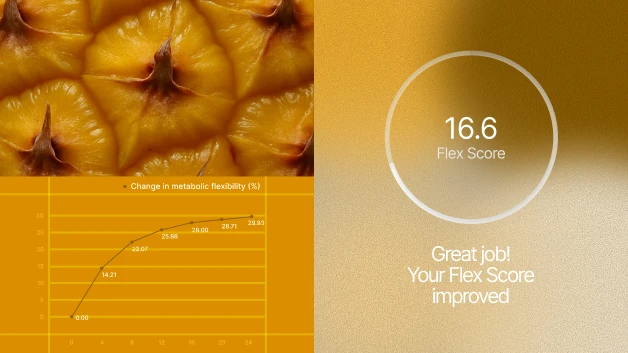
Imagine an early warning system for your metabolic health at home. Understanding your body’s fuel usage is key. Lumen’s wake-up breath measurement acts as an early indicator for potential metabolic health issues like insulin resistance or metabolic syndrome.
After an overnight fast, your body ideally should be burning fat for energy. This signifies healthy mitochondria, your cells’ powerhouses, and efficient fat burning. Consistently waking up in carb burn, however, may indicate your body isn’t efficiently using fat for energy. It can suggest potential metabolic issues, such as insulin resistance or metabolic syndrome, indicating a need for lifestyle adjustments.
By providing this insight, Lumen helps you understand what your body is doing over time, offering valuable insights for early disease detection and proactive management.
The power of metabolic flexibility: your body’s superpower for prevention
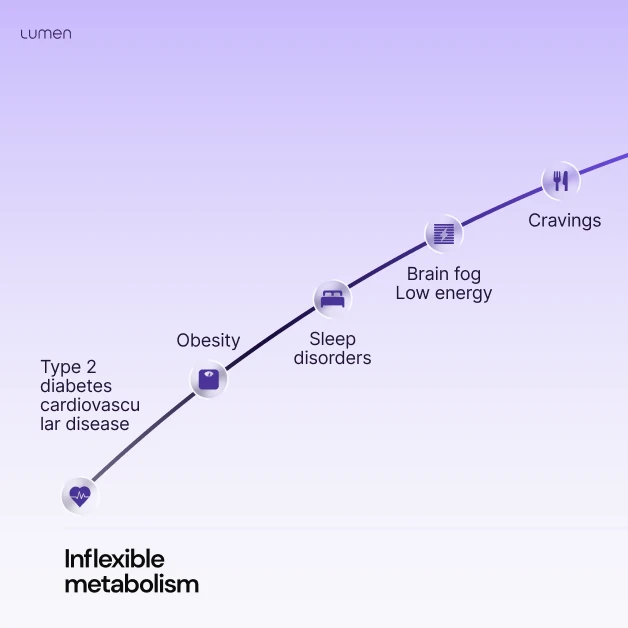
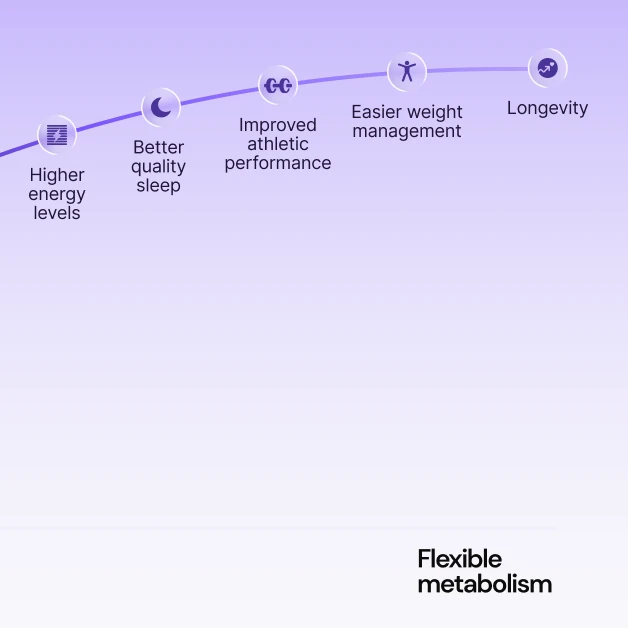
Metabolic flexibility is your body’s ability to efficiently switch between burning carbs and fats for energy. Like a hybrid car, your body should seamlessly switch between gasoline (carbs) and electric power (fats) based on demand.
Why is this important? Metabolic flexibility supports healthy weight management, improved fitness, balanced energy, and longevity.
Inflexibility leads to carbohydrate reliance, weight gain, energy crashes, cravings, and reduced fat burn.
Impaired metabolic flexibility is linked to chronic diseases, including metabolic syndrome, type 2 diabetes, and cardiovascular disease (CVD).
The good news is that with the proper lifestyle adjustments and metabolic coaching, you can improve your insulin sensitivity and prevent or even reverse prediabetes.

Proactive prevention: lifestyle as your first line of defense
Making lifestyle changes can feel overwhelming without clear guidance. Lumen steps in as your personal metabolic coach, measuring your metabolism in real-time and providing lifestyle recommendations to improve how efficiently your body moves between carb and fat burn.
For example, if you consistently wake up in carb burn, Lumen guides you with personalized meal and activity recommendations to shift towards fat burning. It also shows how new routines impact your metabolic flexibility.
Real-world impact: Lumen’s research
Real-world results back the effectiveness of improving metabolic health with wellness tools like Lumen. A 12-week study of users following Lumen’s lifestyle recommendations demonstrated significant improvements in key metabolic health indicators among prediabetic adults with a high BMI.
Participants in the study experienced improved biomarkers, including:
- 5.9 kg reduction in body weight
- 0.27% lower hemoglobin A1c
- BMI reduced by 2.1 points
- 3% lower body fat percentage
These results underscore Lumen’s ability to help individuals achieve meaningful and measurable improvements in their metabolic health through lifestyle coaching.
The synergy of Lumen’s lifestyle guidance and GLP-1s
GLP-1 medications have been proven to treat diabetes and obesity for many individuals. Yet, even with the widespread use of GLP-1s, recent studies indicate that people regain two-thirds of their prior weight loss after discontinuing GLP-1s. Moreover, diabetes can return after GLP-1 treatment if underlying issues aren’t addressed.
What often happens is that people’s lifestyle habits and metabolic health don’t catch up when taking GLP-1s to sustain balanced blood glucose levels and weight loss after discontinuing the medication.
Lumen’s lifestyle modifications, including strategies to improve nutrition, fitness, sleep, and stress management, support insulin sensitivity and metabolic health, which can enhance long-term weight loss during and after GLP-1 use. The outlook is one of a better healthspan and quality of life.
New findings from Lumen’s retrospective analysis of metabolic measurements taken by 7,200 Lumen users on GLP-1 medications support this.
The study revealed consistent improvements in step count, workouts, and metabolic flexibility, resulting in enhanced weight and fat loss.
The bigger picture
National Diabetes Month reminds us that metabolic health is a precious asset. The rising prevalence of prediabetes, insulin resistance, and metabolic disorders underscores the urgency of proactive prevention. By understanding these conditions, improving metabolic flexibility, and making informed lifestyle choices, we can significantly reduce risk.
Lumen supports this journey, offering a window into your metabolism and empowering you with insights for targeted, effective changes. It moves beyond generic advice to personalized plans, transforming awareness into tangible health improvements. This month, choose empowerment, prevention, and a healthier future for yourself.
FAQs
Q: What is metabolic flexibility, and why is it important?
A: Metabolic flexibility is your body’s ability to efficiently switch between burning carbs and fats for energy. It’s crucial for stable energy levels, healthy weight management, and preventing conditions such as insulin resistance, prediabetes, and type 2 diabetes.
Q: How does Lumen help prevent metabolic syndrome?
A: Lumen measures your metabolism in real time, showing your body’s fuel usage. Lifestyle recommendations, personalized nutrition, and AI coaching are all aligned to your real-time measurements, guiding you to improve your metabolic flexibility over time, which can improve your insulin sensitivity.
Q: Can prediabetes be reversed?
A: Yes, in many cases, prediabetes can be reversed or managed through significant lifestyle changes, including dietary adjustments, increased physical activity, and weight loss. Early intervention is key.
Q: What does it mean if I consistently wake up in carb burn?
A: Consistently waking up in carb burn after an overnight fast can indicate your body isn’t efficiently using fat for energy. This may be an early sign of impaired metabolic flexibility, insulin resistance, or early metabolic syndrome.
Q: Is Lumen suitable for everyone?
A: Lumen is designed for individuals looking to optimize their metabolic health through lifestyle. It’s always recommended to consult with your healthcare provider before making significant changes to your diet or exercise routine, especially if you have existing health conditions.
Disclaimer
The information provided here is strictly informational and educational. It does not serve as medical advice or a health assessment and is not intended to diagnose, treat, cure, or prevent any disease. Consult with your healthcare professional before making any significant changes to your diet or exercise routine.
 Copy article text
Copy text 

Our Lumen editorial desk includes an in-house team of certified and registered nutritionists and dietitians, scientists, researchers, and writers.
See all articles