


 Article
  Digital download
  Guide
Guide  Podcast
  Video
Video Is chronic stress sabotaging your weight loss? The hidden link between cortisol and your metabolism
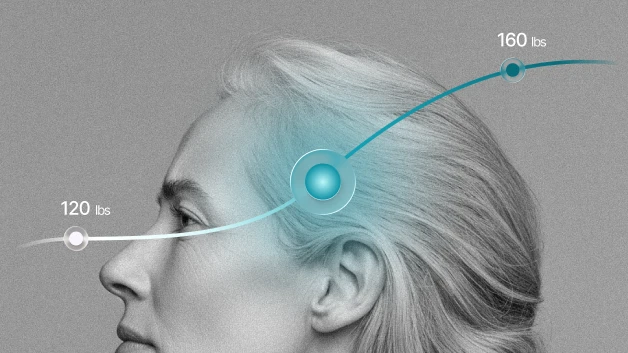
You’ve been working hard. You’re eating well, moving your body, and prioritizing sleep. Yet, despite your best efforts, the scale isn’t budging, or perhaps you’re even seeing unwanted weight gain. It’s frustrating, disheartening, and can leave you wondering if you’re doing something wrong. What if there’s a hidden factor at play, one that’s often overlooked but profoundly impacts your metabolic health and ability to lose weight?
This Stress Awareness Week, we’re shining a light on a powerful, often silent saboteur: chronic stress. It’s not just “all in your head”; chronic stress can profoundly rewire your metabolism, making it harder to lose weight, sleep well, and feel energized.
Understanding the intricate connection between stress, hormones, and metabolism is not just about managing emotions, it’s essential for unlocking long-term metabolic health and finally breaking through your weight loss plateau.
The silent saboteur: Understanding cortisol and your metabolism
Before we dive into the how, let’s define our key players.
Chronic stress: This isn’t the acute stress of a deadline or nerves before a presentation. Chronic stress is the persistent, low-grade pressure that lingers day after day, stemming from demanding jobs, financial worries, relationship issues, or even constant digital stimulation. Your body perceives this as a continuous threat, triggering a cascade of physiological responses.
Cortisol: Dubbed the “stress hormone,” cortisol is released by the adrenal glands as part of your body’s fight or flight response. In short bursts, cortisol is vital; it mobilizes energy, sharpens focus, and helps you respond to danger. The real trouble begins when stress persists and becomes chronic. When your body is stuck in this state for too long, cortisol levels can stay elevated, disrupting everything from blood sugar balance to sleep quality.
Metabolic health and flexibility: Your metabolism is the sum of all chemical processes that keep you alive, including how your body converts food into energy. Metabolic flexibility refers to your body’s ability to efficiently switch between burning different fuel sources — carbohydrates and fats — depending on availability and demand. It’s a hallmark of a healthy, adaptable metabolism.
A lesser-known consequence of chronic stress is its profound impact on metabolic health, which can subsequently affect your weight. Let’s explore how.

Cortisol disrupts your body’s fat-burning ability
Chronically elevated cortisol actively interferes with your body’s capacity to burn fat for fuel.
When cortisol is consistently elevated, your mitochondria, your cells’ powerhouses, become more reliant on carbs and less efficient at burning fat for fuel. This reduces your metabolic flexibility. Essentially, chronic stress makes your mitochondria over-dependent on carbs for fuel. Over time, they “forget” how to burn fat efficiently.
Chronically elevated levels of cortisol can disrupt your metabolic health because they overwork the mitochondria, damage their membranes, and reduce their lifespan. This impairment in mitochondrial function means your body struggles to access and utilize its fat stores for energy. This can impact your metabolism, encourage cravings for carbs, and lead to weight gain over time if eating in a caloric surplus.
This is where tools like Lumen become invaluable. By measuring your metabolism through your breath, Lumen provides a daily assessment of your metabolic flexibility, showing you how efficiently your body is switching between burning carbs and fats. When stress is high, you might notice persistent carb burn measurements, offering a tangible sign of cortisol’s impact on your metabolism and empowering you to make informed adjustments to your lifestyle.
How chronic stress can cause fat storage
Beyond increased carb burning, chronically high cortisol levels signal your body to store more visceral fat, particularly in the abdomen [1]. This isn’t just any fat; visceral fat surrounds your organs and is metabolically active, releasing inflammatory compounds that can further disrupt your health.
Over time, this can contribute to insulin resistance, obesity, increased cravings, fatigue, poor metabolic function, and perhaps most noticeably, the accumulation of stubborn belly fat. Chronic stress is often a hidden culprit behind weight gain and an inflexible metabolism, making it challenging to achieve your goals.
Managing stress is key to unlocking weight loss
Understanding the relationship between stress and weight loss isn’t just about managing your emotions; it’s essential for unlocking long-term metabolic health. When your body is stuck in a state of chronic stress for too long, cortisol levels can stay elevated, disrupting everything from blood sugar balance to sleep quality, and contributing to that stubborn belly fat.
The good news is that you have the power to influence this cycle. It’s not about eliminating stress, that’s often an unrealistic goal in modern life, but rather about building habits that help your body handle it effectively and build resilience. By actively managing your stress, you can help bring cortisol levels back into balance, allowing your metabolism to function optimally and making it easier for your body to tap into its fat stores.
As you implement healthy coping strategies and stress management techniques, Lumen can serve as your personal metabolic guide. It allows you to observe how these positive changes translate into improved metabolic flexibility and a greater ability to tap into fat stores, empowering you with real-time feedback on your journey to better metabolic health. Seeing the direct impact of your stress management efforts on your metabolic score can be incredibly motivating and reinforce positive habits.

Strategies to reduce stress and support your metabolism
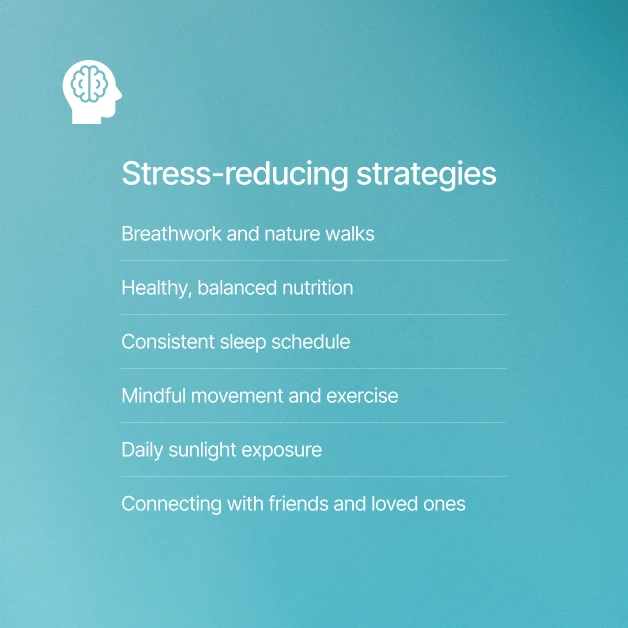
Taking proactive steps to manage stress is one of the most powerful things you can do for your metabolic health and weight loss journey. Here are some actionable strategies:
Engage in stress-relieving activities
Dedicate time each day to practices that calm your mind and body. Yoga, meditation, deep breathing exercises [2], or even spending time in nature can significantly reduce cortisol levels [3]. Even 10-15 minutes can make a difference.
Prioritize quality sleep
Aim for 7-8 hours of quality sleep each night. Sleep deprivation can exacerbate stress and further disrupt your metabolism, making it harder for your body to recover and regulate hormones. Establish a consistent sleep schedule and create a relaxing bedtime routine.
Nourish your body with healthy foods
While stress can trigger cravings for comfort foods, choosing whole, unprocessed foods is crucial. Focus on whole grains, lean proteins, healthy fats, and plenty of fruits and vegetables. These provide sustained energy and essential nutrients, helping to stabilize blood sugar. Avoid sugary treats and highly processed snacks, as they can spike blood sugar and further stress your system.
Move your body mindfully
Regular physical activity is a powerful stress reliever. It helps to burn off excess cortisol and releases endorphins, which have mood-boosting effects. However, avoid overtraining, which can sometimes act as a stressor itself. Find a balance that feels good for your body, whether it’s walking, cycling, strength training, or dancing.
Embrace sunlight exposure
Starting your day with sunlight, ideally within 30 minutes of waking, helps reset your internal clock and support healthy cortisol rhythms [4]. This simple habit can improve sleep quality and overall mood, contributing to better stress management.
Connect with others
Social connection is a powerful buffer against stress. Spend time with loved ones, engage in community activities, or talk to a trusted friend or family member about your feelings.
By supporting your nervous system, building resilience, and making mindful lifestyle choices, you can keep cortisol in balance, optimize mitochondrial health, and finally break free from the cycle of stress and unwanted weight gain. This Stress Awareness Week, commit to understanding and nurturing your body’s incredible ability to adapt and thrive.
Make the change this Stress Awareness Week
Chronic stress is more than just a feeling; it’s a physiological state that can profoundly impact your metabolic health, making weight loss an uphill battle. Elevated cortisol levels encourage fat storage, particularly around the abdomen, stimulate cravings, and impair your body’s ability to efficiently burn fat for fuel by making your mitochondria carb-dependent.
But here’s the empowering truth: You can change this narrative. By understanding the intricate link between stress, cortisol, and your metabolism, and by implementing healthy coping strategies, you can regain control. Tools like Lumen empower you with real-time insights into your metabolic flexibility, allowing you to see how your efforts to manage stress directly translate into a more adaptable and efficient metabolism.
This Stress Awareness Week, nurture your body and mind to boost your metabolism and unlock your body’s natural fat-burning potential so that you can move closer to your weight loss goals, not just for a week, but for a lifetime of well-being.
FAQs
Q: Can stress really stop me from losing weight, even if I’m exercising and eating well?
A: Yes. Chronically elevated cortisol from stress can signal your body to store fat, especially visceral fat, increase cravings, and impair your metabolic flexibility, making it harder for your body to burn fat for fuel, even with consistent effort.
Q: How quickly can I expect to see results from stress management on my weight?
A: The timeline varies for everyone, as stress management is a holistic process. While you might feel better mentally and energetically within weeks, metabolic changes and weight loss take time. Consistency in stress-reducing habits is key for long-term benefits.
Q: What is metabolic flexibility, and why is it important for weight loss?
A: Metabolic flexibility is your body’s ability to efficiently switch between burning carbohydrates and fats for fuel. It’s crucial for weight loss because when you’re metabolically flexible, you can more easily tap into fat stores for energy, making fat loss more efficient.
Q: Should I consult a doctor if I suspect chronic stress is affecting my weight?
A: While lifestyle changes are powerful, if you suspect chronic stress is significantly impacting your health or weight, it’s always wise to consult a healthcare professional. They can rule out other underlying conditions and provide personalized guidance.
Q: How does Lumen help with understanding stress’s impact on metabolism?
A: Lumen measures your metabolic flexibility by analyzing your breath. When stress is high, you might observe chronic carb measurements. This provides a tangible, real-time insight into how stress is affecting your body’s ability to burn fat.
Sources
[1] Gianotti, L., Belcastro, S., D’Agnano, S., & Tassone, F. (2021). The Stress Axis in Obesity and Diabetes Mellitus: An Update. Endocrines, 2(3), 334-347. https://doi.org/10.3390/endocrines2030031
[2] Fincham, G.W., Strauss, C., Montero-Marin, J. et al. Effect of breathwork on stress and mental health: A meta-analysis of randomised-controlled trials. Sci Rep 13, 432 (2023). https://doi.org/10.1038/s41598-022-27247-y
[3] Ma, J., Lin, P. & Williams, J. Effectiveness of nature-based walking interventions in improving mental health in adults: a systematic review. Curr Psychol 43, 9521–9539 (2024). https://doi.org/10.1007/s12144-023-05112-z [4] Blume, C., Garbazza, C., & Spitschan, M. (2019). Effects of light on human circadian rhythms, sleep and mood. Somnologie : Schlafforschung und Schlafmedizin = Somnology : sleep research and sleep medicine, 23(3), 147–156. https://doi.org/10.1007/s11818-019-00215-x
Disclaimer
The information provided here is strictly informational and educational. It does not serve as medical advice or a health assessment and is not intended to diagnose, treat, cure, or prevent any disease. Consult with your healthcare professional before making any significant changes to your diet or exercise routine.
 Copy article text
Copy text 

Our Lumen editorial desk includes an in-house team of certified and registered nutritionists and dietitians, scientists, researchers, and writers.
See all articles