

 Article
  Digital download
  Guide
Guide  Podcast
  Video
Video How to enjoy the holidays
guilt-free with Lumen

The holidays are a season of celebration, tradition, and the perfect time to catch up with loved ones over great meals. Yet many people feel guilty about indulging in rich foods and festive drinks, fearing they will derail their efforts and lead to unwanted weight gain. However, with the right tools, you can enjoy your favorite holiday meals, keep your metabolism in check, and still reach your health goals.
So, what’s the solution to keeping your health and metabolism balanced during the holiday season?
The key is adding some strategies to your toolbox that will support your metabolic flexibility, which is your body’s ability to switch between burning fats and carbs for fuel.
We turned to our Lumen metabolic coaches to discuss how you can equip yourself with mindful eating strategies, responsible drinking habits, effective exercise routines, and healthy coping mechanisms to stay balanced during the holiday season.
Proven strategies to prevent weight gain during the holidays
Here are some pointers from our Lumen metabolic experts and coaches to help you navigate the holiday season.
Tip #1: Balancing alcohol
Alcohol is rich in empty calories and can prevent your body from burning fat. Follow these tips to manage your drinking during the holiday season:
- Stock up on low-alcohol or non-alcoholic beverages. If you’re hosting a party, you can purchase non-alcoholic spirits, wine, and beer.
- Track how much alcohol you consume.
- Set a drinking limit before a party. Determine the maximum amount of alcohol you’ll have before an event or night out.
- Alternate between alcoholic beverages and plain water or non-sugary beverages. This can help you pace your drinking throughout the night.
“Drinking alcohol can stop you from reaching overnight fat burn. Detoxifying alcohol is a top priority for your metabolism. But this delays carb burn and makes it harder to reach morning fat burn.”
Brea Lofton, R.D. at Lumen

Tip #2: Mindful eating
Keeping track of your food intake and choices during holiday gatherings can help keep your metabolism in check.
Here are some strategies:
- Avoid mindless grazing. Eat and chew attentively, and be mindful of your portion sizes. Research has found that eating while distracted can cause you to eat more [1].
- Use smaller plate sizes if available. This can help with portion control.
- Keep less healthy holiday treats and snacks out of sight so you’re less likely to snack on them. Alternatively, you can stock up on healthier options like seeds, fruits, and vegetables.
- Limit your intake of refined carbohydrates, including pasta, white bread, pizza, and sweet desserts. If you’re hosting, prepare healthier snacks, such as nuts, seeds, and vegetables with dip.
“Eating more carbs than your body needs blocks fat burn. Excess carbs get stored as glycogen in your muscles and liver. You won’t get back to fat burn until those reserves are used up.”
Brea Lofton, R.D. at Lumen
Tip #3: Staying active
Research has found that training during the holiday season can help prevent weight gain and reduce the effects of holiday feasting on your blood pressure, cholesterol levels, and insulin sensitivity [2]. Intense exercise, like high-intensity interval training (HIIT), can increase your metabolic rate. Research suggests that HIIT can boost protein levels in your skeletal muscles, which play an essential role in energy metabolism and muscle contraction [3].

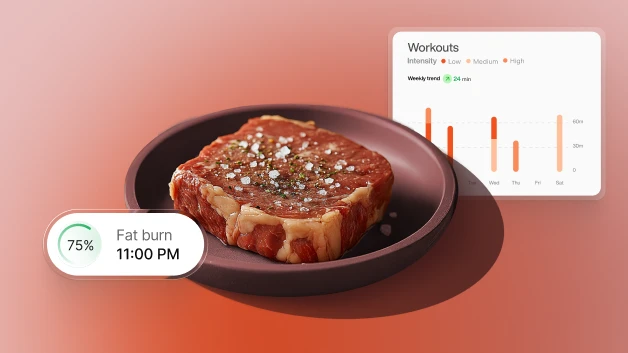
“Being more active brings you back to fat burn sooner. Higher activity levels help your metabolism burn through the carbs you recently consumed to increase the likelihood of getting back into fat burn in the morning.”
Brea Lofton, R.D. at Lumen
Tip #4: Managing stress and emotion-driven eating
It might seem strange that people feel more stressed during the holidays, but studies show this time of year can actually increase stress for many different reasons.
Oftentimes, it’s because people drink more alcohol, which can lead to stress and disrupt sleep. Stress can also arise from loneliness, meeting many family members, party planning, holiday shopping, and managing finances [4].
The best way to handle the holiday stress is to have realistic expectations of yourself and others. Create a budget that will keep your spending in check and delegate tasks for planning, cooking, and prepping to those around you. Don’t be afraid to say no to planning tasks that you know will make you feel stressed.
Try to keep your sight on what truly matters. Focus on spending time and connecting with people you love rather than stressing over party planning or whipping up the “perfect” meal.
“Greater stress levels can spike cortisol, causing carb burn. Hormones like cortisol put the body into fight-or-flight mode, which switches you to carb burn to prepare you to run away from danger.”
Brea Lofton, R.D. at Lumen
Tip #5: Navigating social pressure
It can be tricky to navigate the social pressure to eat and drink more. It boils down to being firm with your no's and having predetermined limits set for yourself before stepping foot into any party.
You can also bring your own low-calorie dish to an event and let your friends and family know about your fitness and health goals so they don't unintentionally push you to go past your limit.

How to bounce back post-holidays
After the festivities, many people will stop logging their macros because they feel they’ve ruined all their progress. They will push getting back on track and wait for the “perfect” moment.
Yet, indulging here and there and enjoying yourself is not the problem. Lumen is all about eating the foods you love, and Boost Days can help improve your metabolic flexibility.
After the holidays, we encourage taking small steps to help rebuild your momentum. Lumen supports real-life flexibility. Here’s what you can do:
Take your metabolic measurement with Lumen when you wake up
Taking your wake-up breath will spring you back into action by building your personalized nutrition plan for the day and helping push your body back into fat burn.
Continue logging your meals
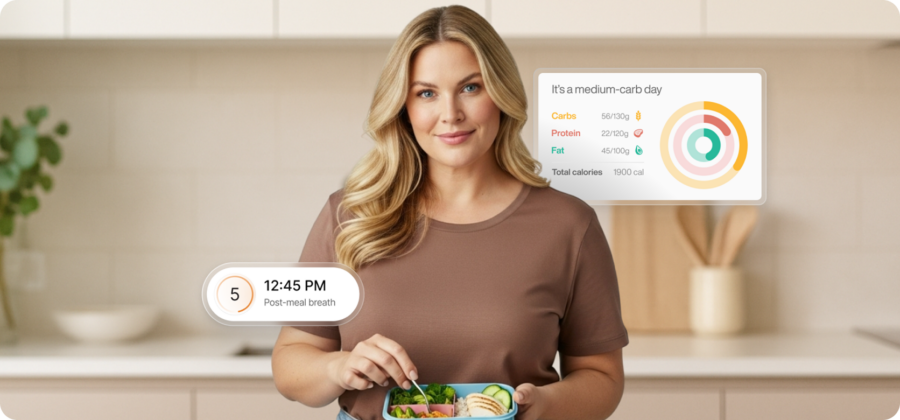
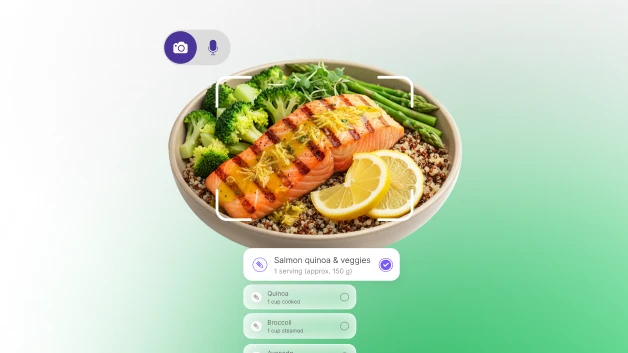
Take a photo of your meal and have Lumen’s AI food logger identify what’s on your plate to easily track your macros and hit your nutrition goals for the day.
Try intermittent fasting
While waking up in carb burn in the short term, such as with a carb-heavy meal after Thanksgiving or Christmas, won’t make a huge impact on metabolic health, you can offset the effects by intermittent fasting.
Lumen’s study [5] found that people who fast longer wake up in fat burn. The research also demonstrated Lumen’s efficacy in personalizing fasting windows according to one’s metabolic state.
What does this mean? If you want to tap back into fat burn after the holidays, Lumen can tell you exactly how long you need to fast based on a metabolic measurement you take through a single breath in 20 seconds.
No need to fast for endless hours. You might only need 11 hours, not 16 hours, to reach fat burn. Lumen pinpoints the fasting window that’s perfect for you.
Lumen’s newest release, the Overnight Fasting Tracker, takes it a step further by helping you get the most out of your fast overnight while sleeping instead of fasting during your day and unnecessarily extending your fast to reach fat burn.
Must-try healthy Thanksgiving and Christmas recipes
Embrace the holiday spirit without compromising on health with our mantra: “Same traditions, better choices.” Designed by our expert nutritionists, these meals will help keep you on track with your goals.
1. Low-fat cauliflower mashed potatoes
This recipe provides an alternative to traditional mashed potatoes by substituting cauliflower for potatoes. The cauliflower adds a creamy texture without the need for excessive butter or cream. Using low-fat broth and Greek yogurt further reduces the fat content while maintaining a rich flavor.
Nutritional information per serving (4 servings):
Calories: ∼150-200 kcal, Protein: 5-8g, Carbohydrates: 30-35g, Fat: 3-5g
Ingredients:
- 1 medium-sized cauliflower, cut into florets
- 4 medium-sized potatoes, peeled and cut into chunks
- 2 cloves garlic, minced
- 1 cup low-fat chicken or vegetable broth
- 2 tablespoons low-fat Greek yogurt
- 1 tablespoon olive oil
- Salt and pepper to taste
- Chopped fresh chives for garnish (optional)
Instructions:
1. In a large pot fitted with a steamer basket, steam the cauliflower and potatoes until they are fork-tender. This will take about 15-20 minutes. Transfer the steamed cauliflower and potatoes to a large bowl. Use a potato masher or a fork to mash them until smooth.
2. In a small pan, heat the olive oil over medium heat. Add the minced garlic and sauté for 1-2 minutes until fragrant. Be careful not to burn the garlic.
3. Add the sautéed garlic, low-fat broth, and Greek yogurt to the mashed cauliflower and potatoes. Mix well until everything is well combined and the mixture reaches your desired consistency. You can add more broth if needed.
4. Season the mashed cauliflower and potatoes with salt and pepper to taste. Adjust the seasoning according to your preference.
2. Low-carb green bean casserole
This low-carb green bean casserole is a delicious and healthier alternative to the traditional version, making it suitable for those following a low-carb or keto diet.
Nutritional information per serving (4 servings):
Calories: ∼ 300-350 kcal, Protein: 10-15g, Carbohydrates: 10-15g, Dietary fiber: 4-6g, Fat: 25-30g
Ingredients:
- 1 lb fresh green beans, trimmed and halved
- 1 tablespoon olive oil
- 1 small onion, finely chopped
- 2 cloves garlic, minced
- 8 oz mushrooms, sliced
- 1 cup chicken or vegetable broth
- 1 cup heavy cream
- 2 tablespoons cream cheese
- 1 teaspoon Dijon mustard
- Salt and pepper to taste
- 1 cup grated Parmesan cheese
- 1/2 cup almond flour
- Chopped fresh parsley for garnish (optional)
Instructions:
1. Preheat your oven to 375°F (190°C). Bring a large pot of salted water to a boil. Add the green beans and cook for about 2 minutes, then immediately transfer them to a bowl of ice water to stop the cooking process. Drain and set aside.
2. In a large skillet, heat the olive oil over medium heat. Add the chopped onion and cook until softened, about 3-4 minutes. Add the minced garlic and sliced mushrooms, cooking until they release their moisture and become tender.
3. Pour in the chicken or vegetable broth and bring it to a simmer. Stir in the heavy cream, cream cheese, Dijon mustard, salt, and pepper. Cook until the cream cheese is fully melted and the sauce has thickened slightly.
4. Add the blanched green beans to the skillet, tossing them in the creamy mushroom sauce until well coated. Cook for an additional 2-3 minutes to heat the green beans through.
5. In a small bowl, mix the grated Parmesan cheese and almond flour. Sprinkle this mixture evenly over the green bean mixture in the skillet. Transfer the skillet to the preheated oven and bake for about 15-20 minutes or until the top is golden brown and the casserole is bubbling.
6. If desired, garnish with chopped fresh parsley before serving.
3. Crispy parmesan Brussels sprouts
Low in carbs and fat, allowing you to get your vegetable servings and hit your macros.
Nutritional information (4 servings):
Calories: 116 calories, Carbohydrates: 5g, Fiber: 1g, Protein: 4g, Fat: 9g
Ingredients:
- 1lb brussels sprouts
- 2 tbsp extra virgin olive oil
- 2 garlic cloves, minced
- 1/2 tsp salt
- 1/4 tsp black pepper
- 1/3 cup (30g) parmesan, finely grated
- 1/3 cup panko breadcrumbs
Instructions:
1. Preheat the oven to 200°C/400°F.
2. To prepare the brussels sprouts, trim the base, cut in half and remove the loose, rough outer leaves.
3. Place in a bowl, pour over oil and toss gently. Sprinkle the vegetables with garlic, salt, pepper, parmesan and breadcrumbs.
4. Toss to coat, then spread out on the tray cut face down.
5. Roast for 20 minutes, flip then roast for a further 10 minutes until the outer leaves are deep golden brown and crispy.
6. Finally, immediately transfer to a warm serving bowl. Scrape loose parmesan breadcrumbs off the tray and sprinkle, then serve immediately, and enjoy!

4. Low-carb, low-fat turkey meatloaf
This low-carb, low-fat turkey meatloaf is packed with flavor and uses cauliflower for moisture without excessive fat.
Nutritional information (6 servings)
Calories: ∼ 200-250 kcal, Protein: 25-30g, Carbohydrates: 5-10g, Dietary fiber: 2-3g, Fat: 10-15g
Ingredients:
- 1.5 lbs lean ground turkey
- 1 cup finely chopped cauliflower rice
- 1/2 cup finely chopped onion
- 1/2 cup finely chopped red bell pepper
- 2 cloves garlic, minced
- 1/4 cup tomato sauce (no sugar added)
- 1/4 cup low-sodium chicken broth
- 2 tablespoons Dijon mustard
- 1 tablespoon Worcestershire sauce
- 1 teaspoon dried thyme
- 1 teaspoon dried oregano
- 1/2 teaspoon salt
- 1/4 teaspoon black pepper
- 1/4 teaspoon smoked paprika
- Cooking spray (olive oil or canola oil)
Instructions:
1. Preheat your oven to 375°F (190°C).
2. In a food processor, pulse cauliflower florets until they resemble rice. Alternatively, you can use pre-packaged cauliflower rice. Finely chop the onion and bell pepper.
3. In a non-stick skillet over medium heat, sauté the chopped cauliflower rice, onion, bell pepper, and minced garlic until the vegetables are softened. Set aside to cool.
4. In a large bowl, combine the ground turkey, sautéed vegetables, tomato sauce, chicken broth, Dijon mustard, Worcestershire sauce, dried thyme, dried oregano, salt, black pepper, and smoked paprika. Mix until all ingredients are well combined.
5. Transfer the turkey mixture to a baking dish coated with cooking spray. Shape it into a loaf.
6. Bake in the preheated oven for 45-55 minutes or until the internal temperature reaches 165°F (74°C).
7. Allow the meatloaf to rest for a few minutes before slicing. Serve slices with your favorite low-carb vegetables or salad.
5. Zesty orange buckwheat chocolate cookies
These holiday treats are low in carbs. Give these a try to spice things up for your holiday treats!
Nutritional information per serving (12 cookies):
Calories: ∼ 150-180 kcal, Protein: 3-4g, Carbohydrates: 15-20g, Dietary fiber: 2g, Fat: 9-12g
Ingredients:
- 1 cup light buckwheat flour
- ¼ cup almond flour
- ½ tsp fine sea salt
- ½ tsp baking soda
- 1/3 cup ghee, butter or coconut oil, softened
- ½ cup coconut sugar
- 1 tsp vanilla
- 1 egg
- 1 cup dark chocolate chips, or your favorite dark chocolate bar, chopped
- 1 tsp orange zest
Instructions:
1. In a medium bowl, mix together buckwheat flour, almond flour, baking soda and salt.
2. In a mixer bowl, beat ghee, butter or coconut oil with coconut sugar on high for about 4 minutes. Add vanilla and egg. Stir in dry ingredients until just combined. Fold in chocolate chips and orange zest.
3. Chill dough for a few hours, or even better, overnight. This allows the buckwheat to mellow. You can also bake these immediately and they will still be good!
4. Preheat the oven to 350 degrees. Line a baking sheet with parchment paper. Scoop 1-inch dough balls onto sheet. Flatten a bit, if desired.
5. Bake for roughly 12-13 minutes. Cool for a few minutes on the baking sheet, then transfer to a cooling rack. Enjoy!

“Lumen is helping me track my macros. Never in my life would I have known when my body was burning fat versus carbs. I can now structure my workout schedules around this info.”
Fys, USA
The holidays don’t have to throw you off your wellness goals
Staying on track starts with having a clear game plan. With the right approach, you can enjoy your favorite holiday foods and still feel your best. Lumen is your sidekick that helps you bounce back after the holidays to continue crushing your goals.
Sources
[1] Casperson, S. L., Hall, C., & Roemmich, J. N. (2017). Postprandial energy metabolism and substrate oxidation in response to the inclusion of a sugar- or non-nutritive sweetened beverage with meals differing in protein content. BMC nutrition, 3, 49. https://doi.org/10.1186/s40795-017-0170-2
[2] Bhutani, S., Wells, N., Finlayson, G., & Schoeller, D. A. (2020). Change in eating pattern as a contributor to energy intake and weight gain during the winter holiday period in obese adults. International journal of obesity (2005), 44(7), 1586–1595. https://doi.org/10.1038/s41366-020-0562-2
[3] Robinson, E., Aveyard, P., Daley, A., Jolly, K., Lewis, A., Lycett, D., & Higgs, S. (2013). Eating attentively: a systematic review and meta-analysis of the effect of food intake memory and awareness on eating. The American journal of clinical nutrition, 97(4), 728–742. https://doi.org/10.3945/ajcn.112.045245
[4] Hostrup, M., Lemminger, A. K., Stocks, B., Gonzalez-Franquesa, A., Larsen, J. K., Quesada, J. P., Thomassen, M., Weinert, B. T., Bangsbo, J., & Deshmukh, A. S. (2022). High-intensity interval training remodels the proteome and acetylome of human skeletal muscle. eLife, 11, e69802. https://doi.org/10.7554/eLife.69802
[5] Yeshurun, S., Cramer, T., Souroujon, D., & Mor, M. (2025). The Association of Previous Day Carbohydrate Consumption With Fasted, Exhaled Carbon Dioxide in Lumen Users: Retrospective Real-World Study. JMIR mHealth and uHealth, 13, e64604. https://doi.org/10.2196/64604
 Copy article text
Copy text 

Our Lumen editorial desk includes an in-house team of certified and registered nutritionists and dietitians, scientists, researchers, and writers.
See all articles